Tracing Jackpot Mechanics and Protection Protocols Across Mobile Gambling Platforms
Skriven av Amir Jung · 2026-09-22
Tracing Jackpot Mechanics and Protection Protocols Across Mobile Gambling Platforms
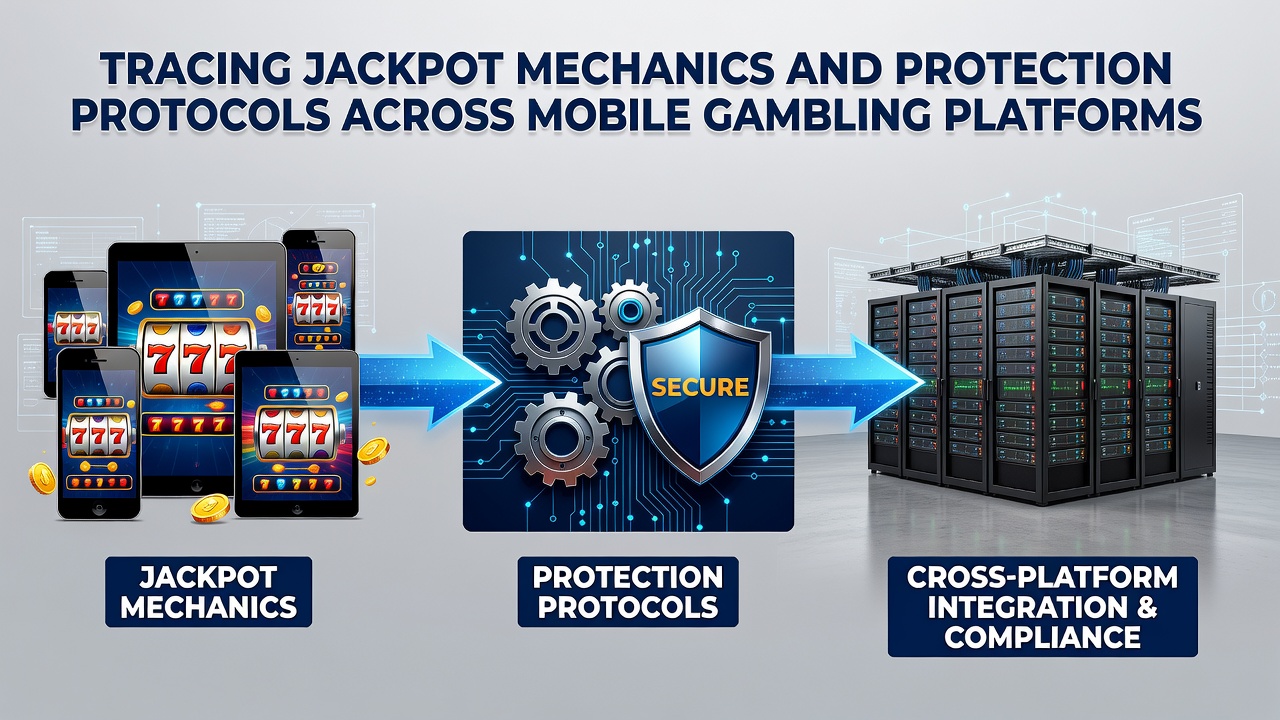
Jackpot systems in mobile gambling platforms operate through interconnected networks that pool contributions from thousands of simultaneous users, and these structures rely on certified random number generators to determine outcomes while maintaining transparency across distributed servers. Operators integrate progressive jackpot pools that grow incrementally with each wager, yet they segment contributions into local, regional, and global tiers to balance payout frequency with overall prize accumulation. Data from industry reports shows that mobile applications transmit bet information in real time to central databases, which calculate increments before broadcasting updated totals back to user devices within milliseconds.
Core Components of Jackpot Calculation Systems
Random number generators certified by independent laboratories form the foundation of every jackpot draw, and these algorithms produce sequences that determine both base game results and jackpot triggers without external interference. Mobile platforms employ seed values derived from hardware entropy sources such as device accelerometers and network latency measurements, while audit trails record every seed generation event for regulatory review. Research indicates that progressive multipliers apply differently across game categories, with video slots often allocating higher percentages of bets to jackpot pools compared to table games hosted on the same application.
Contribution percentages vary by jurisdiction and platform provider, yet most systems reserve between one and five percent of each qualifying bet for the shared pool. Separate ledgers track contributions from mobile versus desktop channels, allowing operators to isolate performance metrics and adjust allocation formulas accordingly. Observers note that cross-platform synchronization requires constant reconciliation to prevent discrepancies when users switch devices mid-session.
Security Layers Protecting Jackpot Integrity
Encryption protocols secure all data transmissions between mobile clients and backend servers, and these measures include end-to-end TLS 1.3 standards combined with application-level tokenization that expires after each transaction. Multi-factor authentication gates access to jackpot administration panels, while role-based permissions restrict employees from viewing or altering pool values without documented oversight. Case studies from regulated markets reveal that continuous monitoring tools flag unusual betting patterns that might indicate coordinated attempts to manipulate trigger conditions.
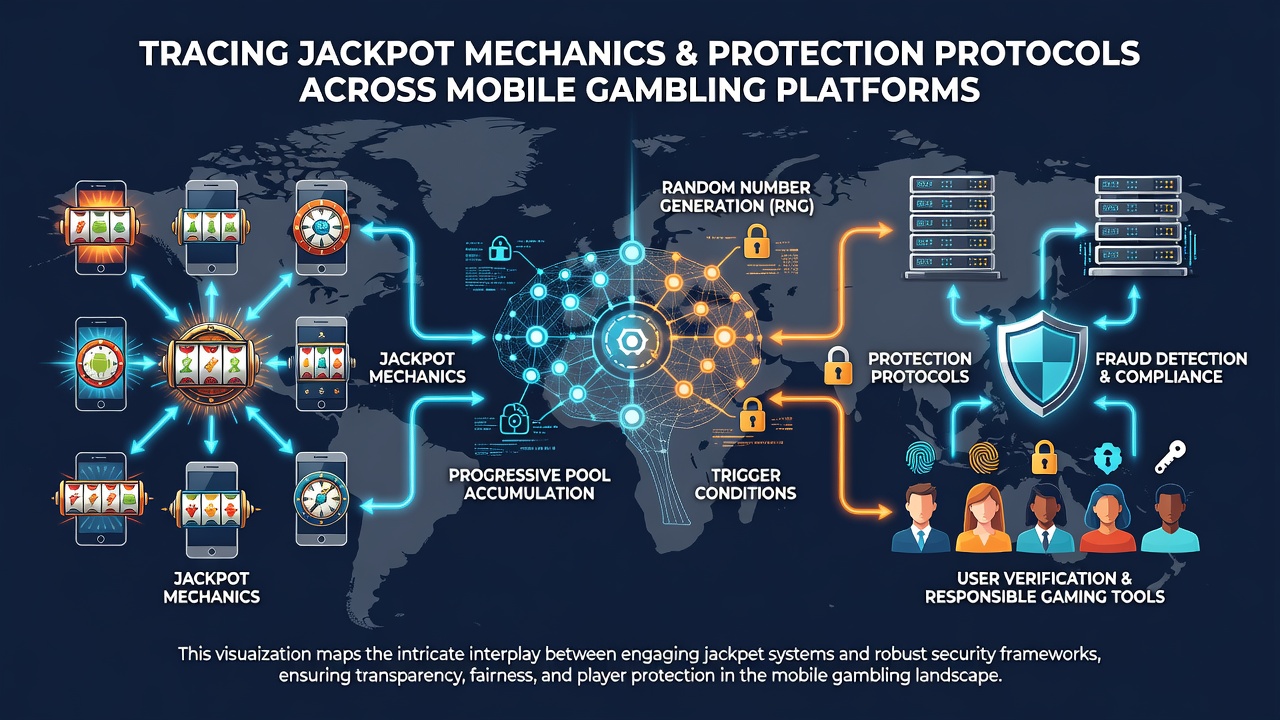
Third-party testing agencies conduct periodic evaluations of both RNG modules and jackpot distribution logic, and these assessments occur at intervals mandated by licensing authorities. Automated reconciliation scripts compare expected pool growth against actual wager volumes every fifteen minutes, triggering alerts when deviations exceed predefined thresholds. Those who manage platform infrastructure often implement hardware security modules to store cryptographic keys that protect jackpot seed values from extraction.
Player Protection Mechanisms Integrated with Jackpot Features
Responsible gaming tools intersect directly with jackpot displays through optional spending caps and session timers that pause participation once limits are reached. Mobile applications surface real-time expenditure summaries alongside current jackpot amounts, enabling users to assess participation costs before committing additional funds. Figures from the National Council on Problem Gambling indicate that integrated pop-up reminders appear after fixed intervals or after cumulative losses surpass operator-defined thresholds.
Age verification systems cross-reference government-issued identification against biometric data captured during account registration, and these checks occur before any jackpot-eligible game becomes accessible. Self-exclusion lists maintained across multiple operators prevent previously registered individuals from creating new accounts that could access progressive pools. Technical documentation from the American Gaming Association outlines standardized APIs that allow mobile platforms to query centralized exclusion databases in real time.
Regulatory Variations Across Regions
Different licensing frameworks impose distinct requirements on jackpot reporting intervals and audit frequencies. Platforms operating under Australian state regulations must submit monthly pool statements that detail contribution sources and payout distributions, whereas certain North American jurisdictions require daily summaries transmitted directly to oversight bodies. These variations influence how quickly mobile interfaces reflect verified jackpot totals after major wins occur.
Upcoming compliance updates scheduled for September 2026 in several markets will introduce mandatory real-time public dashboards that display aggregate jackpot statistics without exposing individual player data. Such measures aim to increase transparency while preserving operational security. Industry analysts track these developments closely because they affect both technical architecture and user-facing features across numerous applications.
Conclusion
Tracing jackpot mechanics reveals layered systems that combine certified algorithms, encrypted communications, and continuous auditing to maintain fairness across mobile environments. Protection protocols extend beyond technical safeguards to encompass player-facing tools that promote informed participation. Data compiled through regulatory channels and independent research continues to shape how platforms refine these processes, ensuring that evolving mobile technologies align with established oversight standards.