Mapping the Connections Between Digital Wallet Choices and Limit-Setting Tools in Sweden's Mobile Gambling Environment
Skriven av Amir Jung · 2026-11-03
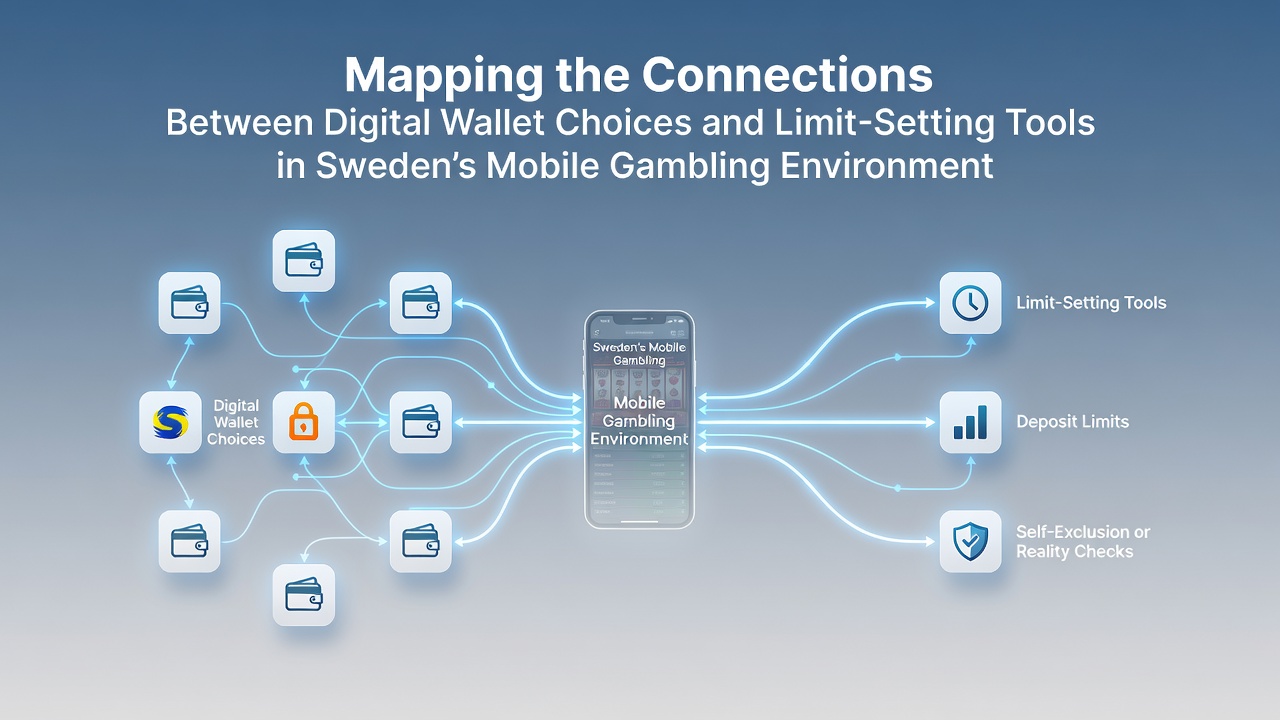
Mapping the Connections Between Digital Wallet Choices and Limit-Setting Tools in Sweden's Mobile Gambling Environment
Sweden's mobile gambling sector operates under the oversight of Spelinspektionen, which requires licensed operators to integrate deposit limits, loss caps, and session timers directly into payment flows. Digital wallets such as Swish, Trustly, and various e-wallets serve as primary transaction channels for players, and these systems connect to regulatory-mandated tools that allow real-time adjustments to spending boundaries before funds transfer. Data from industry reports indicate that wallet selection influences how quickly and seamlessly players can activate or modify those boundaries during mobile sessions.
Digital Wallet Integration in Regulated Platforms
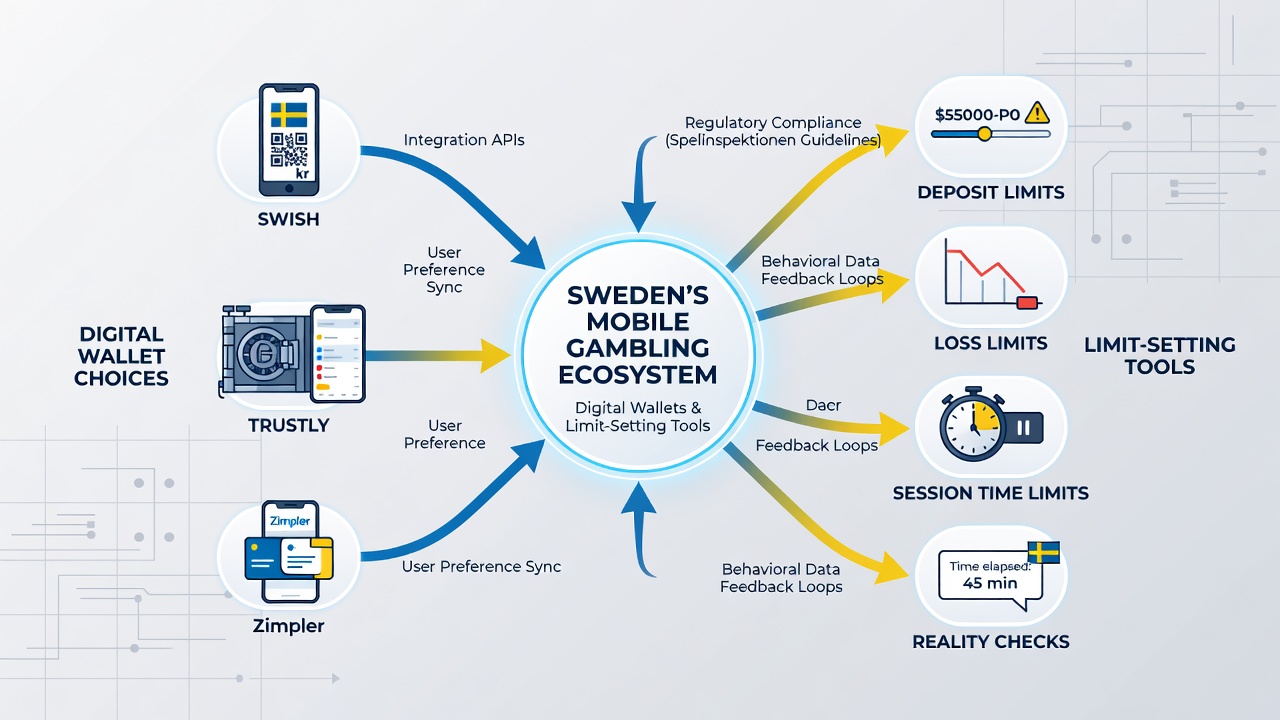
Operators must embed limit-setting functions within the wallet interface so that users encounter prompts for daily, weekly, or monthly caps at the point of deposit. Swish transactions, which dominate instant bank transfers in Sweden, route through bank APIs that already support spending notifications, and several platforms now link these notifications to automatic limit checks enforced by the licensing authority. Trustly and similar open-banking solutions add another layer because they pull account data in real time, allowing the gambling application to cross-reference current balance against pre-set limits before completing the transfer.
Research conducted by the Australian Gambling Research Centre shows similar patterns in other regulated markets where instant-payment wallets reduce friction between decision and action, which in turn increases the practical value of integrated limit tools. In Sweden, this dynamic appears in mobile applications that display remaining allowance alongside wallet balance during checkout, giving users a single screen for both payment and control.
Limit-Setting Tools and Their Technical Links to Wallets
Limit-setting mechanisms include deposit caps, net-loss thresholds, and time-based restrictions, all of which must sync with chosen payment methods under Spelinspektionen rules. When a player selects a wallet at registration, the platform records that preference and applies it to future limit calculations, ensuring that any attempt to exceed a cap triggers an immediate block at the payment gateway. Observers note that wallets supporting recurring transfers, such as certain e-wallet subscriptions, require additional synchronization so that scheduled deposits respect the same limits without manual re-entry each time.
Studies from the University of Sydney's Gambling Treatment and Research Centre reveal that players who maintain consistent wallet choices across sessions interact more frequently with limit adjustment features because the interface remains familiar. Conversely, users who switch wallets often encounter repeated onboarding steps for limits, which can delay protective actions. Swedish operators have responded by storing limit preferences at the account level rather than tying them exclusively to one payment method, yet wallet-specific metadata still affects how quickly the system processes an override request.
Regulatory Framework and Data Patterns Through Late 2026
Spelinspektionen guidelines updated prior to November 2026 emphasize continuous monitoring of payment-limit interactions, requiring operators to log every instance where a wallet transaction meets or approaches a user-defined boundary. These logs feed into compliance reports that track average time between limit changes and subsequent deposits, providing regulators with measurable indicators of tool effectiveness. Figures released by the authority indicate rising adoption of multi-wallet accounts among mobile users, prompting new technical standards for unified limit dashboards that display all connected payment options in one view.
European Union consumer-protection directives further shape these requirements by mandating clear disclosure of limit status at each transaction step, regardless of wallet provider. Operators therefore design mobile flows so that wallet authorization screens include a visible summary of remaining limits, reducing the chance that a player completes a transfer without current awareness of their boundaries.
Observed Connections in Player Transaction Data
Transaction datasets collected from licensed platforms show that Swish users adjust limits more often during evening hours when mobile activity peaks, while Trustly sessions tend to cluster around larger, less frequent deposits that trigger weekly rather than daily caps. These patterns emerge because wallet processing speeds differ, and faster confirmation times allow players to test limit boundaries in smaller increments before committing larger amounts. Industry analyses confirm that platforms offering one-click limit modification within the wallet confirmation window record higher compliance rates with self-imposed restrictions.
Researchers tracking behavior across multiple jurisdictions note parallel trends where instant wallets accelerate both play and protective interventions when the two functions share the same interface. In Sweden this integration appears most pronounced in applications that default to the last-used wallet while surfacing the active limit in the same tap sequence.
Conclusion
The mapping of digital wallet choices to limit-setting tools in Sweden's mobile gambling environment reveals direct technical and regulatory linkages that shape how players manage spending. Wallet APIs, operator interfaces, and Spelinspektionen compliance requirements converge at the deposit point, creating a single flow where payment selection and boundary enforcement occur together. Data through November 2026 continue to show that consistent wallet use correlates with more frequent limit interactions, while regulatory updates reinforce the need for unified displays across all supported payment methods. These connections remain central to the operational standards that govern licensed mobile gambling in Sweden.