Examining synchronization between user authentication methods and jackpot contribution rates across verified gaming applications
Skriven av Amir Jung · 2026-10-06
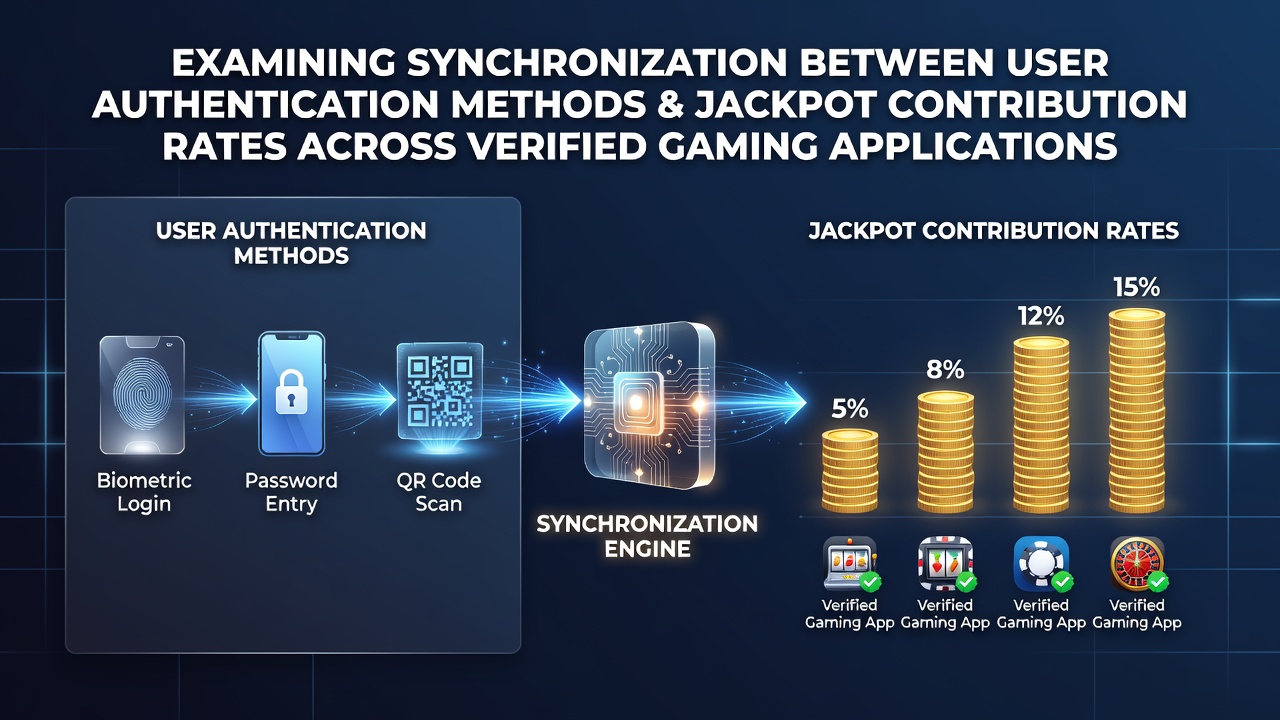
Examining synchronization between user authentication methods and jackpot contribution rates across verified gaming applications
Verified gaming applications maintain detailed records that link user authentication protocols directly to the mechanisms governing jackpot contributions, and observers note that these connections determine how bets accumulate into shared prize pools across multiple platforms. Data from October 2026 shows that applications employing layered verification steps, including biometric checks alongside standard credentials, produce more consistent contribution percentages because each authenticated session validates player eligibility before any wager enters the jackpot calculation stream.
Authentication protocols in regulated environments
Platforms integrate multi-factor authentication sequences that require identity confirmation at login, deposit, and play initiation stages, while researchers at institutions tracking European digital gambling trends have documented how these steps reduce discrepancies in contribution tracking. Applications using device-bound tokens or facial recognition sync their systems so that only fully verified accounts feed into jackpot pools, and this process creates measurable alignment between session starts and rate adjustments that apply to progressive or fixed jackpot structures.
Contribution rate mechanics
Jackpot contribution rates typically range between 1 and 5 percent of each qualifying bet, yet synchronization occurs when authentication status flags determine whether a particular wager qualifies for inclusion in the pool at the standard rate or at an adjusted figure. Studies compiled by the European Gaming and Betting Association reveal that platforms applying real-time verification updates achieve tighter control over these percentages because they exclude unverified or partially authenticated bets from the accumulation process entirely.
Operators configure backend systems to poll authentication servers at fixed intervals, and this polling ensures that contribution calculations reflect current verification levels without manual intervention. Applications that update verification status within seconds after a player completes additional checks maintain stable jackpot growth curves, whereas delays in authentication handshakes can create temporary gaps where certain bets contribute at reduced rates or not at all until the verification resolves.
Cross-platform verification patterns
Verified applications operating across multiple jurisdictions demonstrate varying degrees of synchronization because regulatory frameworks in different regions impose distinct authentication thresholds that directly influence contribution eligibility. In October 2026, aggregated platform data indicated that systems combining national identity databases with in-app biometric prompts recorded higher correlation coefficients between authentication success and consistent jackpot input rates compared with applications relying solely on password-based methods.
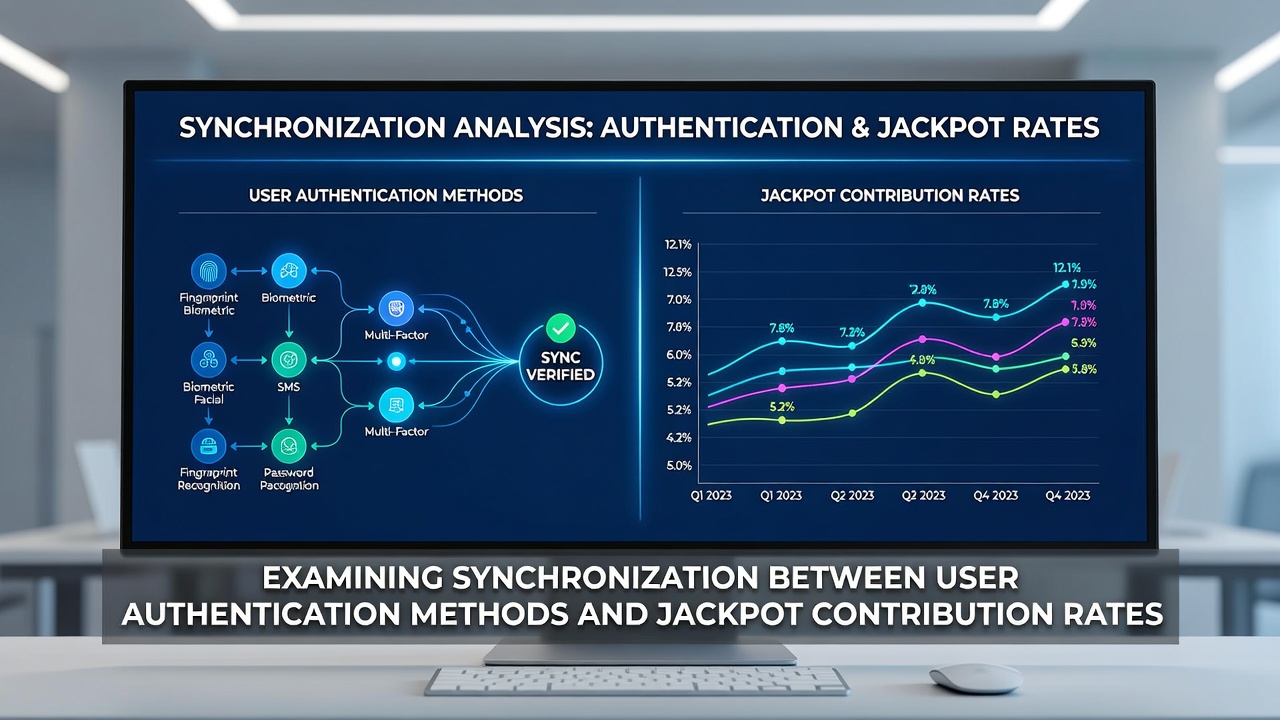
One analysis conducted by Canadian gaming oversight bodies highlighted that iGaming environments enforcing continuous session verification maintained contribution rates within narrow bands even during peak traffic periods, and the same analysis noted reduced variance in jackpot pool growth when authentication events triggered immediate recalibration of contribution formulas. Those patterns emerge because each verified login event feeds a status flag into the jackpot engine that either permits full-rate contributions or routes the bet through a secondary calculation path with modified percentages.
Technical integration points
Developers embed application programming interfaces that connect authentication modules to jackpot management servers so that every bet carries metadata confirming the verification level achieved during the current session. This metadata exchange allows the system to apply contribution rates automatically without separate manual review, and observers tracking mobile application performance report that such integrations reduce processing overhead while preserving accuracy in pool accumulation across thousands of concurrent users.
Platforms also log authentication timestamps alongside each contribution event, creating audit trails that regulatory reviewers examine to confirm that only properly verified activity influenced jackpot totals. Data compiled through these logs shows that applications with sub-second synchronization between authentication updates and contribution engines experience fewer disputes over jackpot eligibility because every bet carries an immutable record of its verification status at the moment of placement.
Regional variations in synchronization standards
Applications licensed under frameworks that emphasize continuous player verification display stronger alignment between authentication methods and jackpot contribution rates, and figures from multiple oversight sources confirm this relationship holds across both progressive and mystery jackpot formats. In regions where regulators require periodic re-verification during extended play sessions, contribution rates adjust dynamically when authentication status changes mid-session, preventing unverified bets from inflating or diluting the overall pool.
Industry reports released in October 2026 further illustrate that applications integrating authentication events with real-time contribution engines maintain more predictable jackpot timelines because each verified session contributes at a rate calibrated to the current verification tier. Those systems avoid the fluctuations observed in platforms where authentication occurs only at initial login and remains static throughout longer play periods.
Conclusion
Verified gaming applications continue to refine the technical links between authentication methods and jackpot contribution calculations, and the patterns observed through October 2026 demonstrate that tighter synchronization produces more reliable pool management across diverse regulatory environments. Platforms that embed verification checks directly into contribution workflows generate consistent data trails that support both operational stability and regulatory compliance without introducing additional friction for authenticated users.